

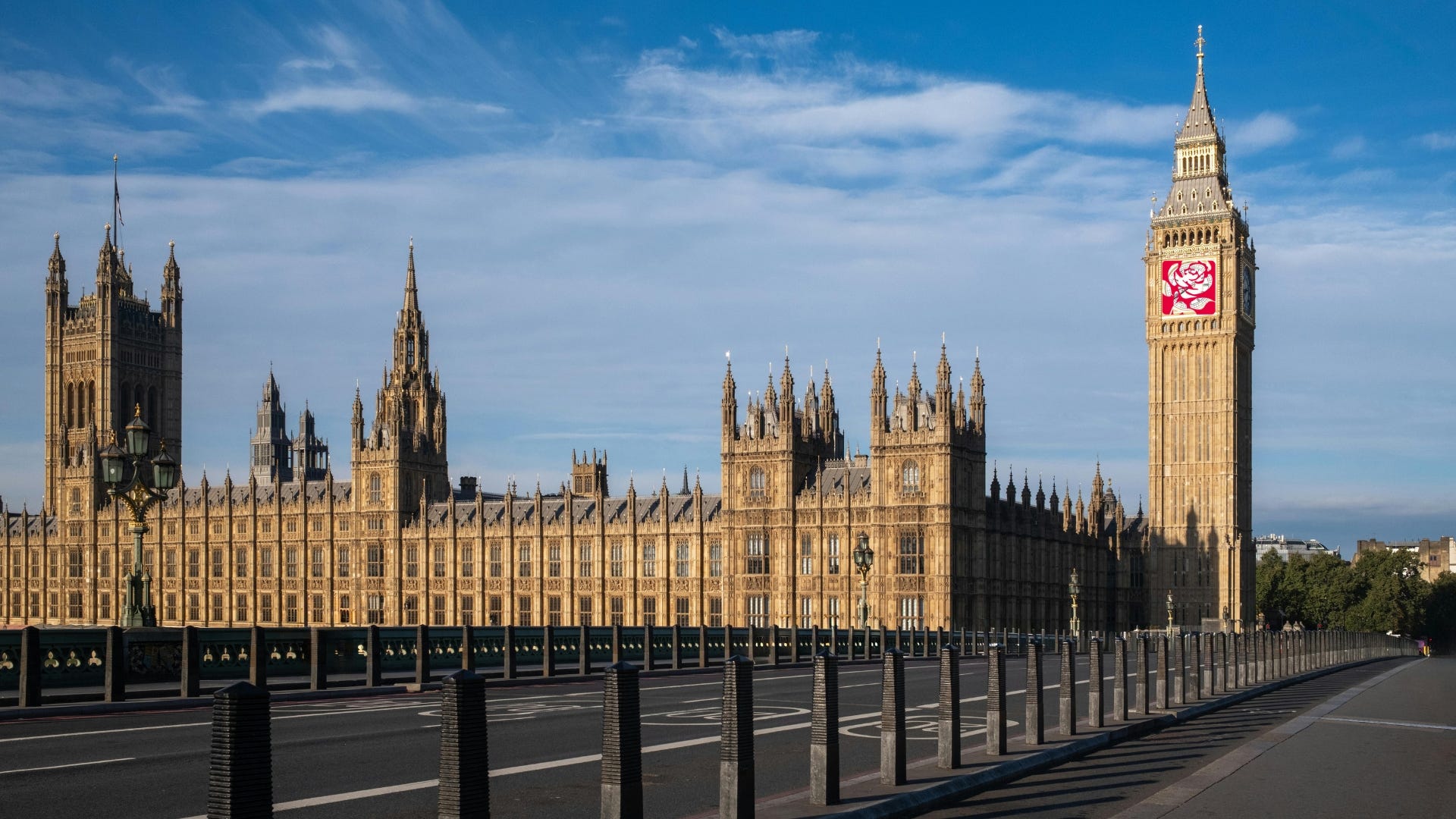
As Labour reels from the results of the 2026 local elections, Westminster and the national media have done what they do best: taken a complicated national picture and immediately turned it into a horse race between a handful of people who have already been profiled to death.
Angela Rayner. Wes Streeting. Ed Miliband. Andy Burnham, somehow, despite the awkward technicality of not being an MP. A familiar cast of plausible, semi-plausible and constitutionally inconvenient names has been arranged across the nation’s politics pages like the world’s least erotic swimwear calendar.
But this is old thinking. Tired thinking. Thinking of the sort that asks whether the next leader of the Labour Party might be someone with a national profile, an ideological project, a recognisable public image, a factional base, Cabinet experience, or any evident desire to do it.
That is precisely why the conversation must move on.
To be clear, this is not because the people listed below have done anything wrong. Quite the opposite. Their only offence is being sufficiently unknown to be available for projection. In the new politics, the decisive qualification for leadership is not experience, popularity or a coherent plan for change. It is not yet having annoyed enough people to be impossible.
By that measure, Labour’s true field of leadership contenders is not to be found among the so-called big beasts, but among the mysterious 2024 intake: that vast parliamentary hinterland of lanyards, maiden speeches, local newsletters, and the haunted eyes of 211 once-hopeful people who thought they had won a seat in a functioning government, not a timeshare in a bin fire.
Here, then, are the real runners and riders.
Chris Bloore: the Redditch Realist
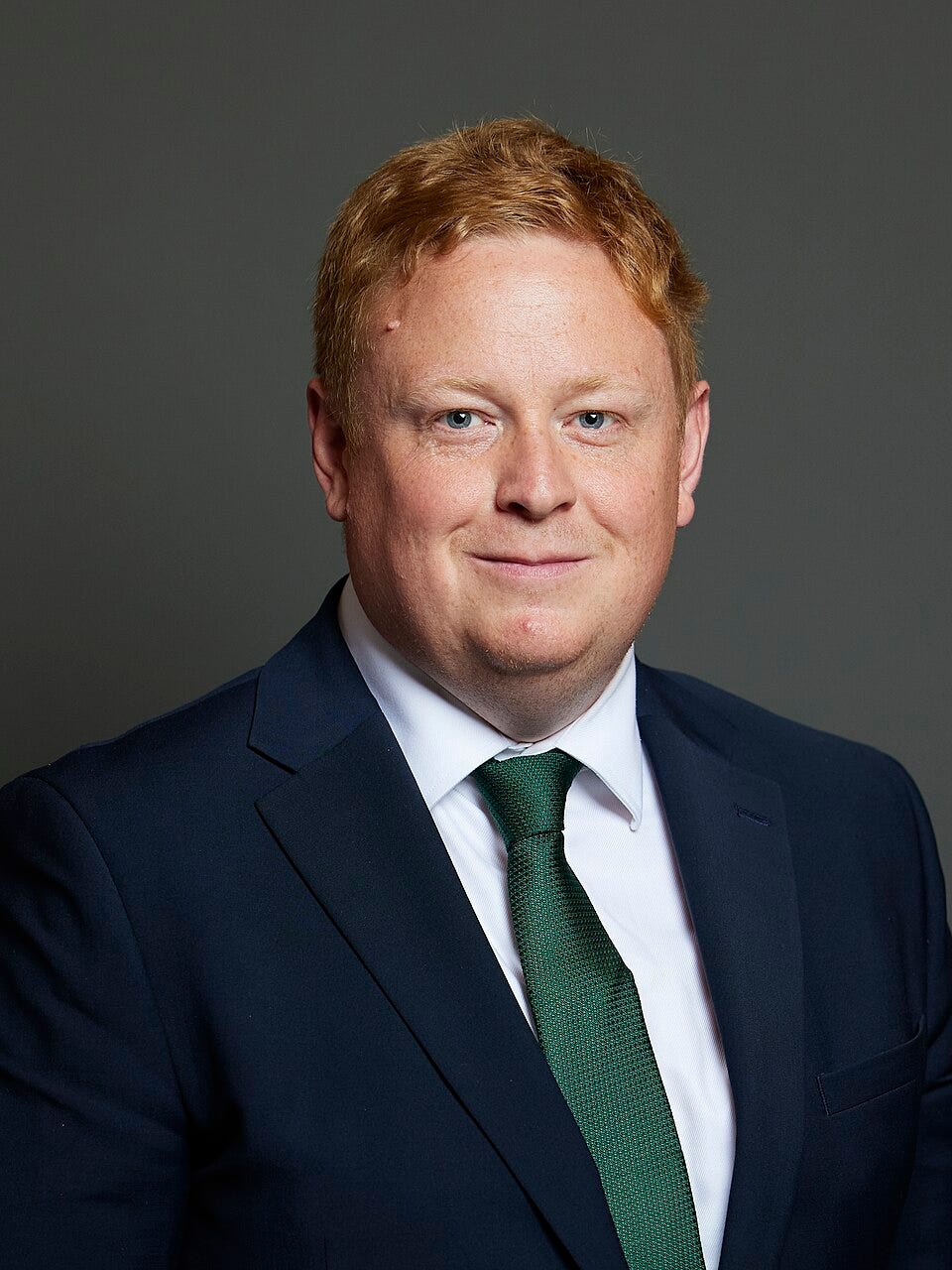
In every leadership contest there comes a moment when the party yearns for someone who can cut through the noise. Someone grounded. Someone serious. Someone whose name has the lexicographical texture of a well-managed public consultation.
Step forward Chris Bloore, MP for Redditch.
Bloore’s great strength is that absolutely nobody in the Westminster bubble has yet formed a strong opinion about him, making him uniquely placed to unite the party. The left cannot denounce him, because it has not yet got around to maliciously editing his Wikipedia page. The right cannot brief against him, because the special advisers are still checking whether Redditch is a real place or a conceptual metaphor for Ordinary Working People. Soft-left MPs are said to admire his tone. The unions are understood to be monitoring developments, which in this context means someone from USDAW once nodded at him awkwardly while sharing a lift.
A Bloore leadership would offer Labour a clean break from the Starmer era while promising to preserve its most popular feature: an almost erotic commitment to saying very little, very firmly, in front of a plain background.
His supporters, believed to include a parliamentary researcher, two councillors, and a man who once replied great point Chris in a WhatsApp group, argue that he represents the future: sensible, understated, and extremely unlikely to be recognised in a Toby Carvery.
Maya Ellis: the Ribble Valley Reset
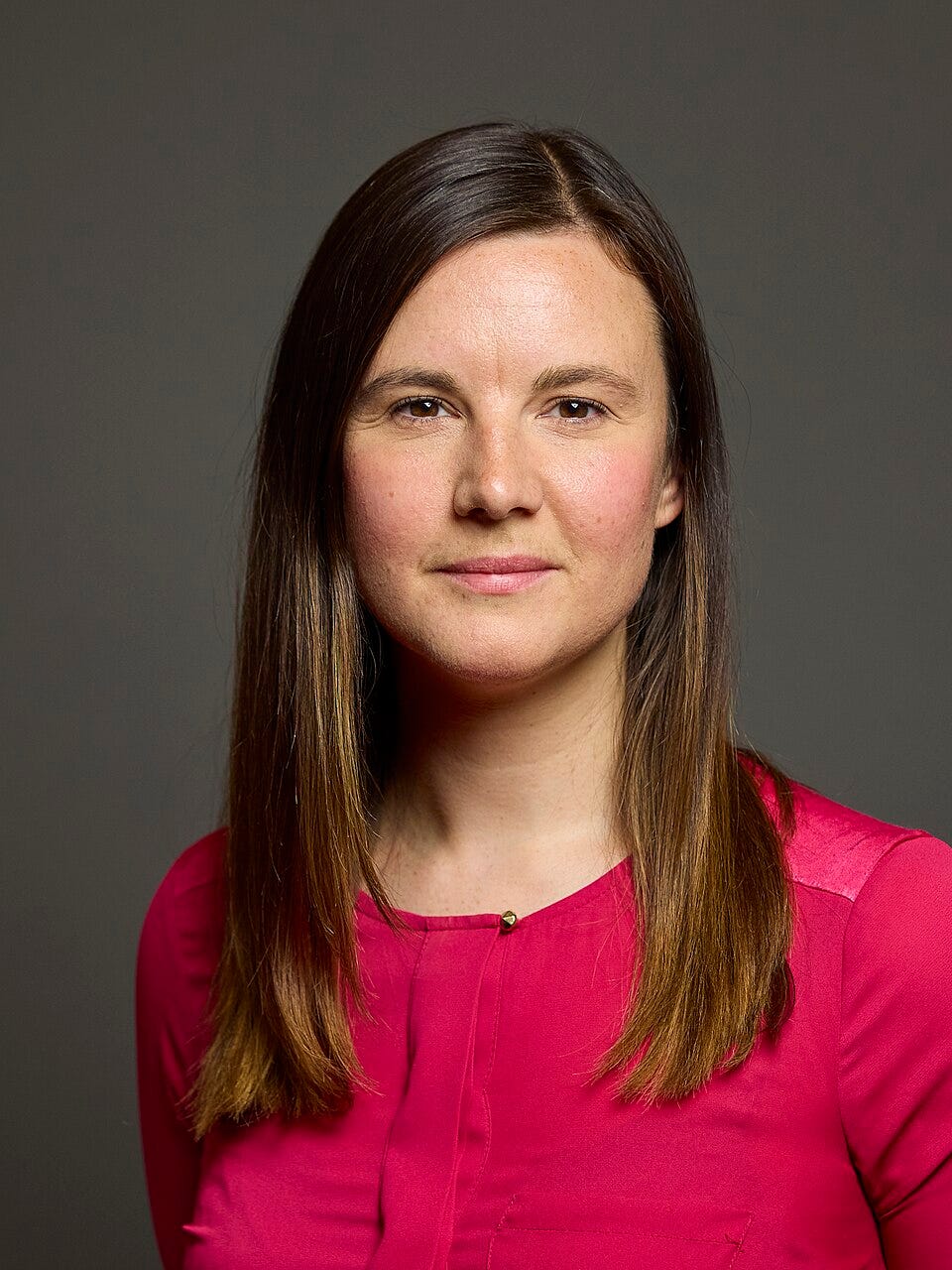
If Labour has learned anything from the local elections, it is that the party must reconnect with those places it has lost, those places it never quite understood, and those places it mainly imagines through stock photography.
This is where Maya Ellis comes in.
As MP for Ribble Valley, Ellis offers Labour something no other candidate can: the chance to say Ribble Valley in a serious setting.
The Ellis pitch is simple. Labour cannot win again by choosing between the cities and the towns, the suburbs and the shires, the Red Wall and the metropolitan base. It must go deeper.
It must go Ribble.
Early supporters, dubbed the Ribble Alliance, are already describing her as the candidate of renewal, by which they mean she has not yet been loudly blamed for anything. Her critics say she lacks national name recognition, but her allies counter that this is precisely the point. After the last few years, the British public may be ready for a Labour leader they have not already decided to put on mute.
In private, one supporter is understood to have said: she has a very strong backstory, once we’ve finished writing it.
Callum Anderson: the Bletchley Breakthrough
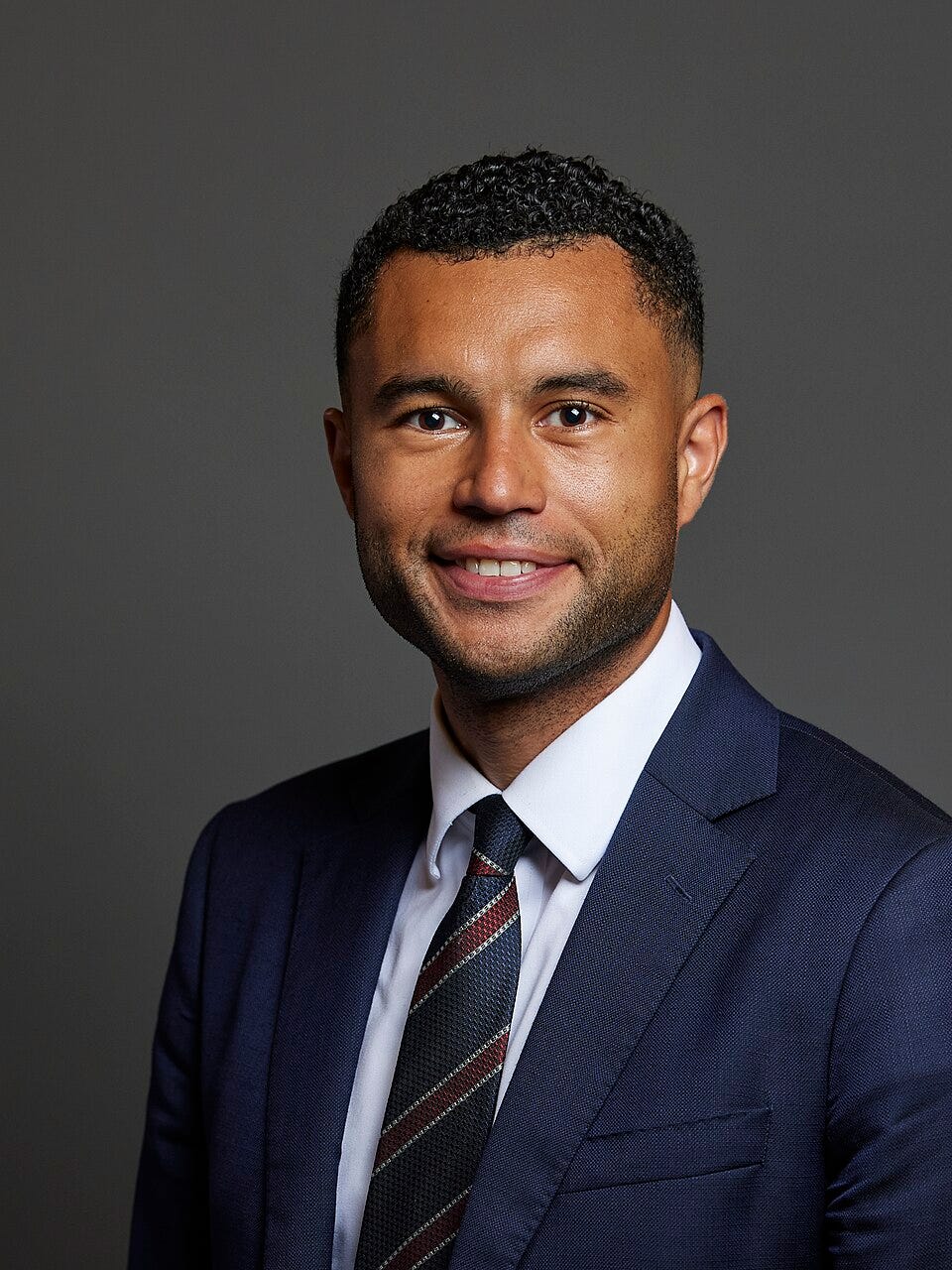
1900-1923. 1924-1929. 1931-1945. 1951-1964. 1970-1974. 1979-1997. 2010-2024. 2029?
For a party trapped in an endless cycle of interpreting and reinterpreting electoral defeats throughout its history as though it were an indecipherable code, the answer may have been hidden in plain sight all along: Bletchley.
Callum Anderson, MP for Buckingham and Bletchley, is already attracting interest from those who believe Labour must crack the code of modern politics. This phrase is expected to form the backbone of his leadership launch, his campaign merchandise, and at least one unbearable interview with The Rest Is Politics.
The symbolism is irresistible to Labour. Bletchley means codebreaking. Codebreaking means strategy. Strategy means meetings. Meetings mean PowerPoint. PowerPoint means government. It is the sort of intellectual chain senior party officials find reassuring.
Anderson’s supporters insist he offers the party a generational reset: young enough to sound fresh, serious enough to survive a select committee, and enigmatic enough to be projected onto by every faction simultaneously. The Blairites will see a moderniser. The soft left will see a listener. The hard left can see a firebrand. The unions will see someone who might answer an email. The public will see nothing at all - which may currently be Labour’s strongest available offer.
Alice Macdonald: the Norwich North Mutualist Moment

Every Labour leadership contest needs a candidate who can make the party feel briefly better about itself before everyone remembers it is not the 1945 landslide again.
Enter stage left: Alice Macdonald, Labour and Co-operative MP for Norwich North.
Macdonald’s appeal lies in her ability to combine the moral seriousness of the Co-op movement with the raw political glamour of Norwich. Hers would be a campaign of mutualism, community wealth-building, fair shares, ethical retail, and trying not to shout at one another on the NEC. In other words, completely doomed, but in a way that would produce a very beautiful launch video and several mentions of Alan Partridge.
After years of managerialism, triangulation, and ministers looking as though they are being held hostage by their own briefing notes, a Macdonald campaign would offer something genuinely different: the faint but moving possibility that politics does not have to be quite so spiritually degrading.
The problem, of course, is that Labour has historically responded to such possibilities by forming a working group, losing the minutes, and then inexplicably appointing Peter Mandelson to something again. I mean, seriously. Have we learned nothing?
Still, in a crowded field, Macdonald has one decisive advantage: she sounds like the sort of candidate most likely to know where the biscuits are kept at a community meeting room. After the 2026 results, luring exhausted activists in with the promise of snacks may be the closest thing the party has left to a mass movement.
Luke Charters: the York Outer Insurgency

Finally, no serious analysis of the Labour leadership can ignore Luke Charters, MP for York Outer.
Indeed, the case for Charters is almost embarrassingly obvious. Labour should not become inward looking. Labour must look outward. Charters represents York Outer. Sometimes politics really is that simple.
In an age when the party is divided between centrists, soft-lefts, Blue Labourites, democratic socialists, socialist democrats, former Corbynites, anti-former-Corbynites, never-Corbynites, people who claim not to care about Corbyn but still bring him up every eleven minutes, and the four remaining Labour councillors outside London, all of whom have developed a thousand-yard stare after months of gruelling trench warfare masquerading as local politics, Charters offers a much-needed new factional identity: Outerism.
Outerism rejects the tired categories of left and right. It asks instead: have we considered moving further out?
Out from Westminster. Out from the discourse. Out from the group chat. Out, ideally, beyond the point where anyone from GB News can find you.
Far out.
A Charters campaign would not seek to dominate the centre ground. It would orbit it, moving further and further until the Labour Party leaves the upper atmosphere, suspended like a planetary ring around the Earth. His pitch to the party would be calm, understated and geographically inevitable: if Labour cannot hold the centre, perhaps it can hold the outer.
Already, sources close to no one in particular suggest that the York Outer insurgency is gaining traction, which is code for I have decided to write about it.
The field is open, by which I mean nobody knows what they are talking about
Of course, critics will say that none of these MPs are likely to become Labour leader according to their sources. But these critics are trapped in the old politics, where likely means something, contender implies intent, and sources are expected to have names, knowledge or access.
The new leadership discourse is much more liberated than that.
A contender is anyone whose name can be placed in a sentence between some people believe and could emerge as a compromise candidate. A campaign is any conversation that has taken place within thirty miles of Portcullis House. A faction is three people with similar coffee orders. Momentum is when the second journalist rings the first journalist to ask whether there is any momentum.
So yes, Starmer may survive. Or he may not. Burnham might get back into Westminster. Or not. Rayner may run. Streeting may run. Miliband may be begged to return by people who have learned absolutely nothing except how to format nostalgia as analysis.
But somewhere, on the parliamentary estate, a new-intake MP is walking into a meeting unaware that they are, at this very moment, being positioned as the candidate who can heal Labour, reconnect Britain, redefine the centre-left, win back Runcorn and Gorton simultaneously, neutralise Reform, de-claw the Greens, reassure the markets, inspire young people, mollify old people, rebuild trust, and somehow explain why the party just got battered in places where the leaflets definitely all said standing up for local people.
I am being silly, of course.
But only slightly sillier than the serious coverage, which is the problem.